ADMIS News
COCOA
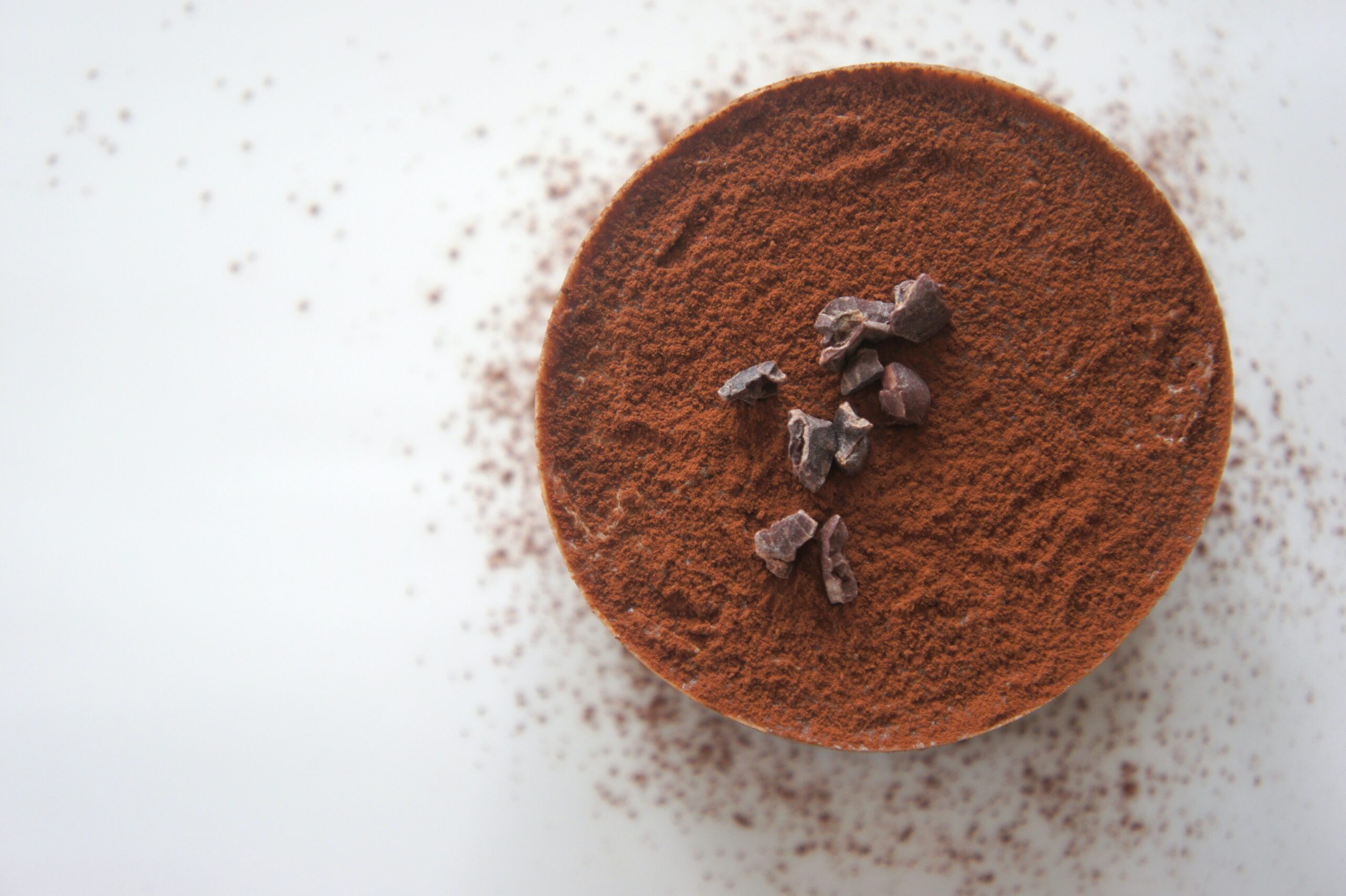
March Cocoa opened sharply lower on Thursday after the Europe’s fourth-quarter cocoa grind data came in even worse than anticipated. The grind fell 8.3% from a year earlier to 304,470 metric tons, bigger than the 4.8% decline in the third-quarter. A poll Bloomberg of traders and analysts ahead of the report had an average expectation of -3%. Total grind for 2025 was 1.327 million tons, down 5.9% from 2024 and the lowest annual grind since 2015. Germany’s fourth quarter grind fell 9.9% on the year to 81,096 metric tons, according to the German confectionery industry association BDSI. Their full-year grind fell 10.1% on the year to 357,677 tons. The North American grind is expected to be released later today and the Asian grind on Friday. Asia’s third quarter grind was -17.7% from a year prior at 797,494 tons, and their 12-month total was down 8.7%. North America’s third quarter grind was 3.2% from a year prior at 427,688 tons, and their 12-month total was down 0.9%. World Weather Inc. said on Wednesday that in West Africa, showers may be a little more numerous during the next week but no general soaking rain is expected. Farming activity is unlikely to be impacted much by the few showers expected through the middle part of next week. There have still been very few references to the Harmattan wind, which comes down from the Sahara this time of year and can pose a threat to the crop.
SUGAR
March Sugar was lower early Thursday and appeared ready to test the low end of the four-week range. The anticipated global surplus this year continues to weigh on the market despite expectations for that surplus to shrink in 2026/27. Earlier this week, CovrigAnalytics projected the global sugar surplus for 2025/26 at 4.7 million metric tons, up 600,000 tons from their previous forecast. Tuesday’s UNICA report showed Brazil’s Center South cumulative sugar production holding close to a year ago and ahead of the five-year average. The region’s sugar production during the first half of December totaled 254,000 tons, down from 356,000 a year ago and 724,000 for the second half of November. Cumulative sugar production has reached 40.158 million tons versus 39.815 million at this point last year, an increase of 0.86%. Sugar’s share of the cane crush was 31.5% during the first half of December versus 35.7% for the same period last year. India export permits of up to 1.5 million tons this year may put a lid on rallies until the sugar is sold.
COFFEE
March Coffee edged lower early Thursday as last week’s concerns about Colombian supply continued to ease with the apparent improvement in relations between President Trump and the Colombian President. Guatemala’s National Coffee Association reported on Wednesday that the nation’s coffee exports from the 2024/25 harvest was down nearly 9% from the previous year due to the tariffs imposed last year by the US. The weather in Brazil continues to be conducive for a good crop in 2026/27. World Weather Inc. said on Wednesday that recent rains in Brazil’s important coffee production areas have helped maintain a favorable outlook for cherry development, with additional rain and thunderstorm activity expected over the next week to ten days. Vietnam has been seasonably recently and was expected to stay that way over the next week, with rains not likely great enough to have a significant impact on coffee or soil conditions. Reuters reported that coffee trading in Vietnam remained sluggish due to limited supplies, as farmers were apparently holding out for higher prices.
COTTON
March Cotton was slightly lower early Thursday but was still within Monday’s upside move that came in the wake of a bullish USDA supply/demand report. The trade is looking to the weekly export sales report this morning for validation of improving cotton sales. Last week’s report showed net sales of 120,522 bales for the week ending January 1, which was the lowest since October 30. Sales did reach 319,649 bales for the week ending December 11, and the market rallied off the news. The rally in crude oil this week offers some support to cotton on ideas it makes polyester fibers more expensive, but the selloff in crude overnight undercuts that support. The dollar was higher early Thursday and was back in the vicinity of Friday’s 4-week high, which makes US cotton more expensive and less competitive on the global market. However, the Brazilian real is hovering around 21-month highs relative to the dollar, which help US compete with its number-one rival, Brazil.
Interested in more futures markets? Explore our Market Dashboards here.
